where Art & Literature unite

Welcome to the enduring legacy of Art Arena, a sanctuary where the realms of art and literature intertwine, leaving an indelible mark on the canvas of cultural expression.

Silhouette of Mahmud Kianush with a tree in the background, Iran 1957
Mahmud Kianush, Iran 1957

Discover the captivating literary works of Mahmud Kianush and Pari Mansouri Kianush at Art Arena, where poetry and storytelling meet deep reflections on life. Enjoy a handpicked selection of free poems, short stories, and excerpts that resonate with the human experience. Meanwhile, immerse yourself in Katy Kianush’s Gallery, featuring serene landscapes, expressive portraits, and detailed miniatures that invite you to explore the beauty of nature and the richness of emotion.

Step into a world where words and art come alive, offering inspiration and connection.

Artistic expression runs in the family

Mahmud Kianush

Mahmud Kianush

Born in 1934 in Mashad, Iran, Mahmud Kianush was a literary luminary whose talent bloomed early, winning national acclaim for his writing at just 16.

After earning a degree from Tehran University, he forged a multifaceted career as a teacher, poet, writer, editor and literary critic before relocating to London in 1976.

His broadcasts at the BBC World Service, were also a platform that enriched Persian literature for over 34 years.

Despite censorship hurdles, Kianush authored over 120 works and pioneered children’s poetry in Iran.

Pari Mansouri

Pari Mansouri

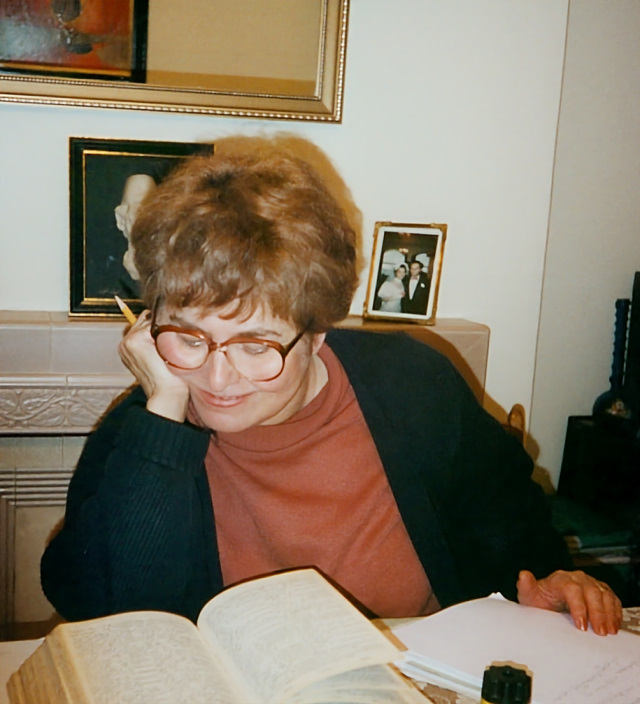
Pari Mansouri, an Iranian writer, teacher and translator was born in Tehran in 1936.

Throughout her career, Pari translated and published works by esteemed authors such as André Maurois, E. Nesbit, and George Eliot, garnering recognition for her translations in Persian journals and winning two awards for the best translated book of the year in 1963.

Among her own well-received published works are her novel, “Above and Beyond Love”, and three books of short stories called “Entertainment in Exile”, “No, I Was Not Dreaming” and “Freedom dies in a Cage”.

Katy Kianush

Katy Kianush

Born in 1964 in Iran, Katy Kianush is a versatile artist whose creative journey began at the age of 10 with illustrations in children’s poetry books.

Katy’s artistic palette spans various media and subjects, from Persian and Japanese style paintings to landscapes, portraits, wildlife and book illustrations.

Katy’s enduring passion for beauty and holistic healing has shaped her legacy of cultural fusion and artistic excellence, seen in her diverse body of work.

Highlights of the month

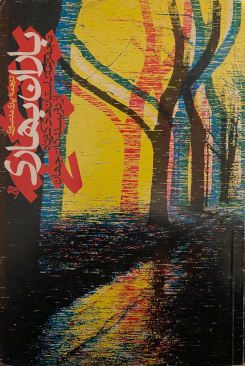
Spring Rain, An anthology in Persian translation

“Spring Rain” is a remarkable collection of 24 short stories translated into Persian by Pari Mansouri.

The works are from 17 authors, exhibiting a rich diversity of global literary traditions. The translated stories maintain their original cultural essence while being accessible to Persian-speaking audiences.

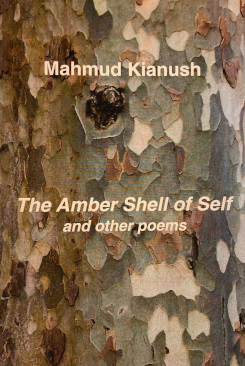
The Amber shell of Self and other poems

A poetry collection by Mahmud Kianush exploring self, nature, time, and the inner life through lyrical and contemplative poems.

Read the complete book The Amber Shell of Self by Mahmud Kianush, a contemplative poetry collection exploring selfhood, time, nature, and the inner life. Through lyrical, quietly philosophical poems, human experience is set alongside moments of suffering, wonder, and reflection, inviting attentive reading and inward listening.


Latest from Iran Saga

Persian Art Through the Centuries: Part 1

The evolution of Persian art, from Neolithic pottery to Achaemenian masterpieces, encapsulates a rich cultural legacy. Early creations showcased distinct craftsmanship, influenced by various civilisations. The grandeur of Persepolis stands out, symbolising imperial ambition, while artifacts like the Oxus treasure highlight the sophistication of Persian artistry. Future blogs will explore later developments.

Persian Art Through the Centuries: Part 2

Part 2 of this series, highlights the resilience and innovation of Persian art across different eras, from the Hellenistic period’s Greco-Iranian fusion to the Sassanian Empire’s architectural grandeur and decorative sophistication. It emphasises how Persian artistry retained its identity despite cultural shifts, influencing later Islamic art and other civilisations through its unique styles and motifs.

Persian Art Through the Centuries – Part 3

The Arab conquest of the 7th century AD brought Persia into the newly forming Islamic world. Yet it was in Persia that this new artistic movement encountered its greatest test. The conquerors were confronted with a people whose culture reached back millennia and whose artistic achievements ranked among the most sophisticated in the ancient world.…